

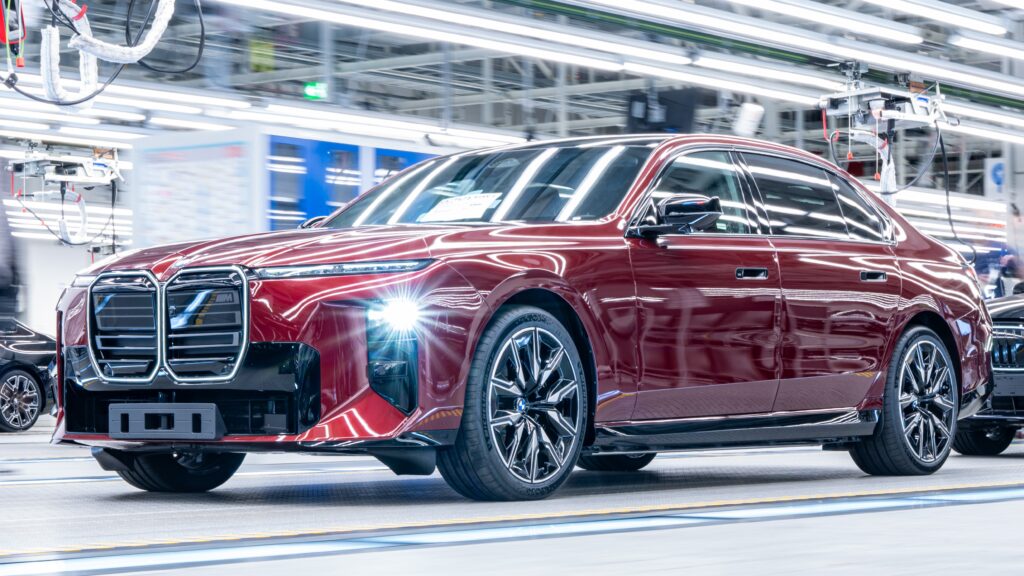
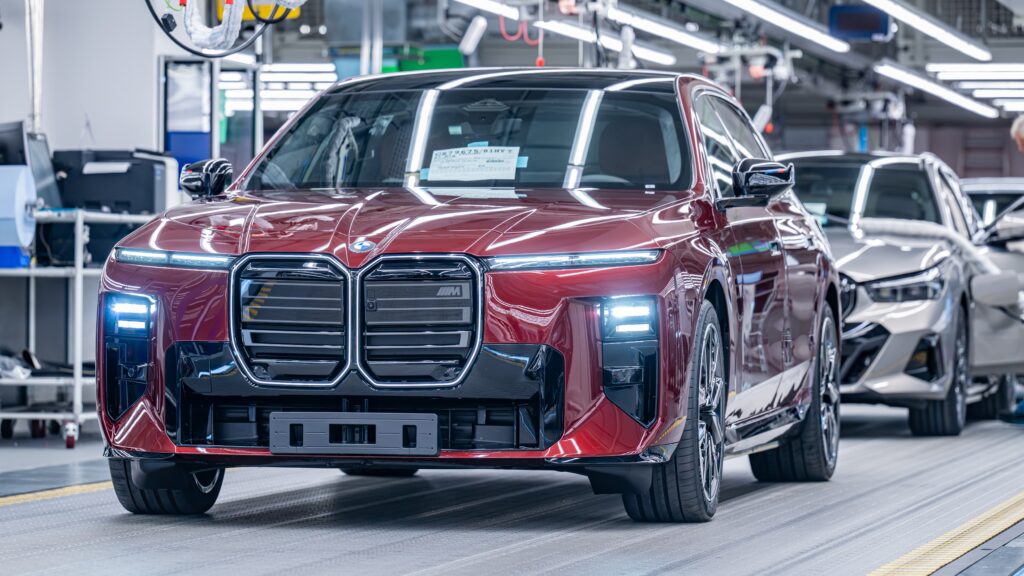
The new sedan BMW 7 Series today celebrated the start of production at the BMW Group Plant Dingolfing. This is an important fact for both the plant and for the company, because for the first time innovations of the Neue Klasse is introduced into a production model already established itself as the BMW 7 Series. From today and until the end of 2027, it is expected that the technologies of the Neue Klasse is deployed on 40 different models of BMW Group.
“The new BMW 7 Series reveals what distinguishes Dingolfing: the fusion of industrial production to the forefront with a handmade meticulous. This enables us to manufacture exceptional vehicles to our clients around the world that combine technological excellence with the highest standards of exclusivity, individuality, and quality,” said Director of Plant Christoph Schröder.
New technologies, more luxury, more individuality
The new sedan BMW 7 Series represents the model update most complete in the history of BMW Group, combining features of luxury progressive innovations of the Neue Klasse. In addition to a new design language for the luxury class of BMW, the vehicle incorporates a new architecture of the electronics and software more centralized, along with the new screen, and operational concept BMW Panoramic iDrive, as well as functions such as the BMW Passenger Screen, and the renewed BMW Theatre Screen for the rear passengers. BMW Symbiotic Drive ensures a seamless interaction between the driver and the systems driving assistance.
The propulsion technology of the new BMW 7 Series also represents a significant advance. The new battery technology, with cells cylindrical sixth generation, greatly enhances both the autonomy and the performance of load. For example, the BMW i7 60 xDrive Sedan fully electric offers an electric range of 727 kilometres (WLTP), and loads from 10 to 80 percent in about 28 minutes (BMW i7 60 xDrive Sedan: energy consumption combined: 20,8 kWh/100 km (WLTP); CO₂ emissions combined: 0 g/km (WLTP); class(s) of CO₂: TO; electric range: 608-727 km (WLTP)).
At the same time, customers can enjoy a freedom which is significantly higher to configure their vehicles. The BMW 7 Series offers more opportunities for customization and exclusivity than any of his predecessors. For example, to satisfy individual preferences of the customers, there are more than 500 colors and combinations, exterior paint, while currently on offer around 700 combinations of equipment and materials for the interior.

Production: high-tech and hand-crafted finishes
The range of the vehicle is also reflected in the manufacturing process. The production of the new BMW 7 Series combines the automated manufacturing to large-scale, with careful craftsmanship.
An example of this is the process of applying paint with a dual finish, a first in the industry. This special finish is exclusive combines for the first time matte surfaces and high brightness in the body of a vehicle. The development of this process required two and a half years. Its implementation in the paint booth of Dingolfing —from the masked and the manual application of paint to the transparent layer and the unmasked— requires a lot of time. Every vehicle needs more than 4,500 minutes of work, including around 2,000 minutes of manual work, in a process that combines industrial production standard to large scale with the craft.
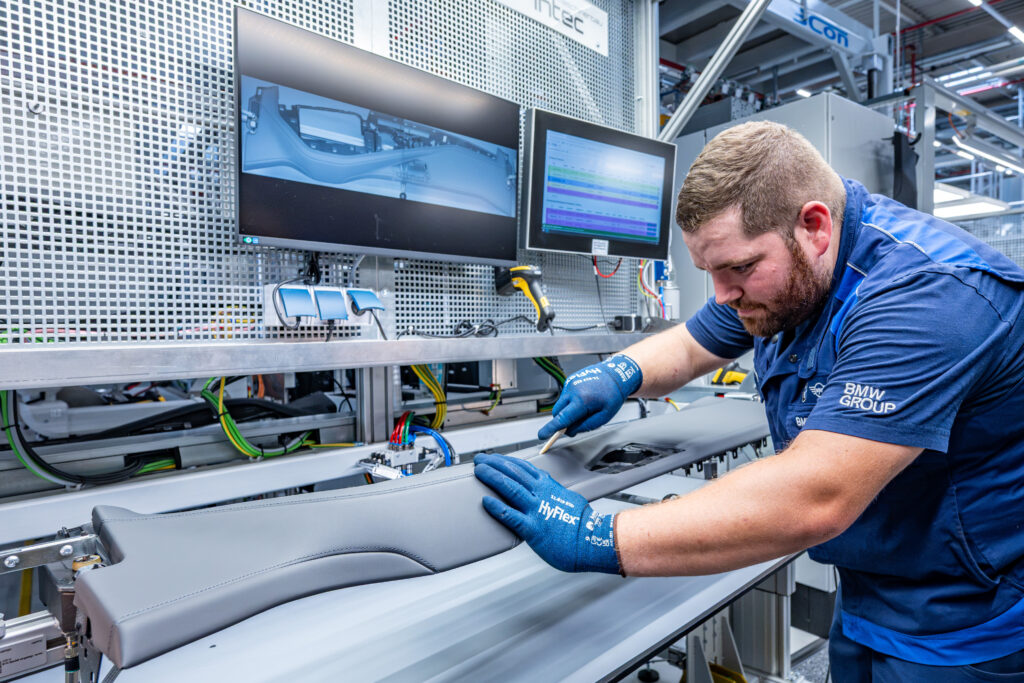
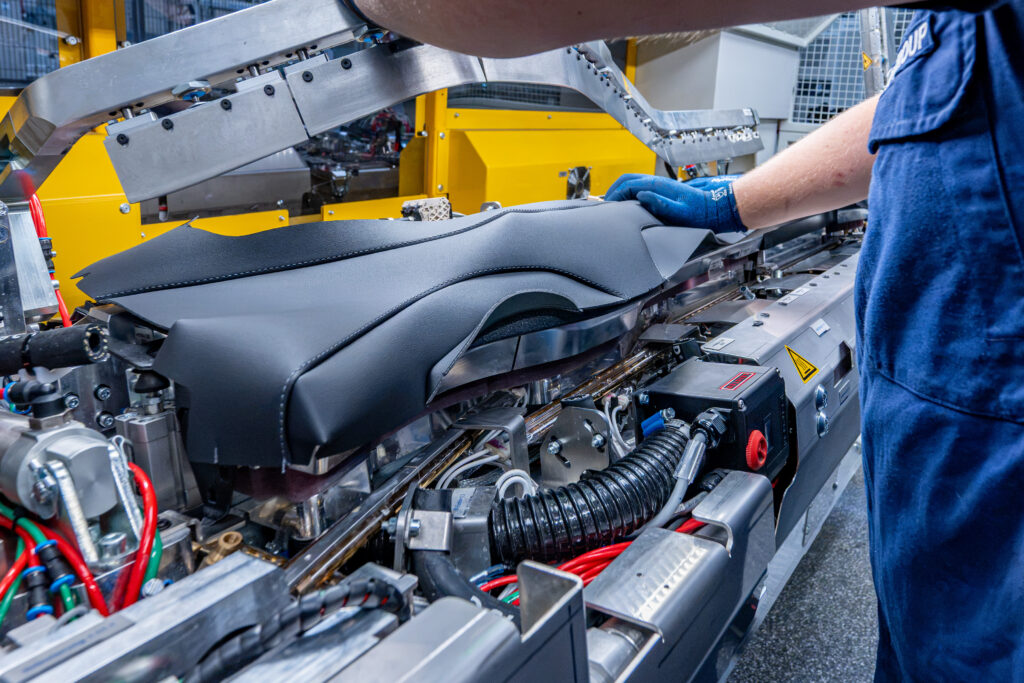
In regards to the interior finish —specifically, the production of components-exclusive interior— the Plant BMW Group Dingolfing also combines the qualified manual with high-tech solutions. The interiors of high quality are made in the workshop BMW Individual Manufaktur, relying both on digital tools as in the manual dexterity of your technical sewing. For example, it is used in artificial intelligence for the optical inspection of the leather and a cut that is more efficient, while a robot of sewing 3D works alongside the artisans of the plant in the stitching of the lining of the passenger compartment.
Flexible production in a single line
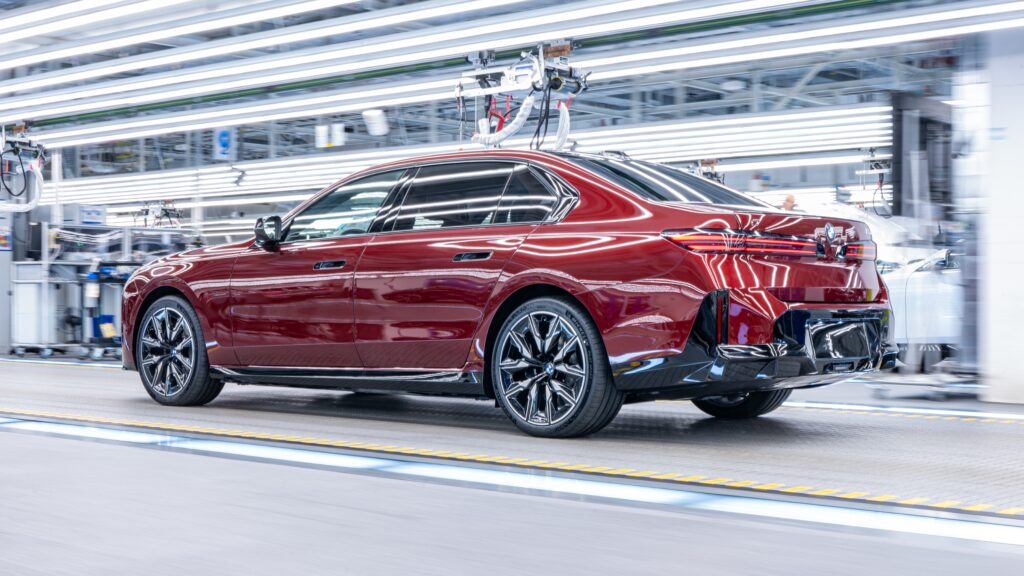
Like its predecessor, the new BMW 7 Series will be assembled in the Assembly Building 52, where it will occur on the same line as the BMW 5-Series models and BMW iX. All variants of powertrain is mounted in a flexible way, and mixed in the same line. As before, the customers of the BMW 7 Series can choose between engines gasoline, diesel, plug-in hybrid and fully electric (the availability of versions depends on each market).
They have adapted production processes of the individual to integrate the new features and technologies of the product. This applies, for example, the preensamble the cabin, to the assembly of components for the new BMW Panoramic iDrive and the communication between the vehicle and the systems of production, which required modifications to the new architecture of the electrical system.
Investment and value creation in Low-Bavaria
BMW Group has invested a two-digit number, in millions of euros in the updating of the model of BMW 7 Series in Dingolfing and in the plant components of Landshut, lower bavaria, located 30 kilometers. In addition to the main production of the vehicle, the key components for the BMW 7 Series, such as axles and electric motors, it is also manufactured in Dingolfing. Other essential components, such as elements of the interior, bumper and castings for the structure of the body are supplied by the Plant Landshut.
Systematic validation of the quality
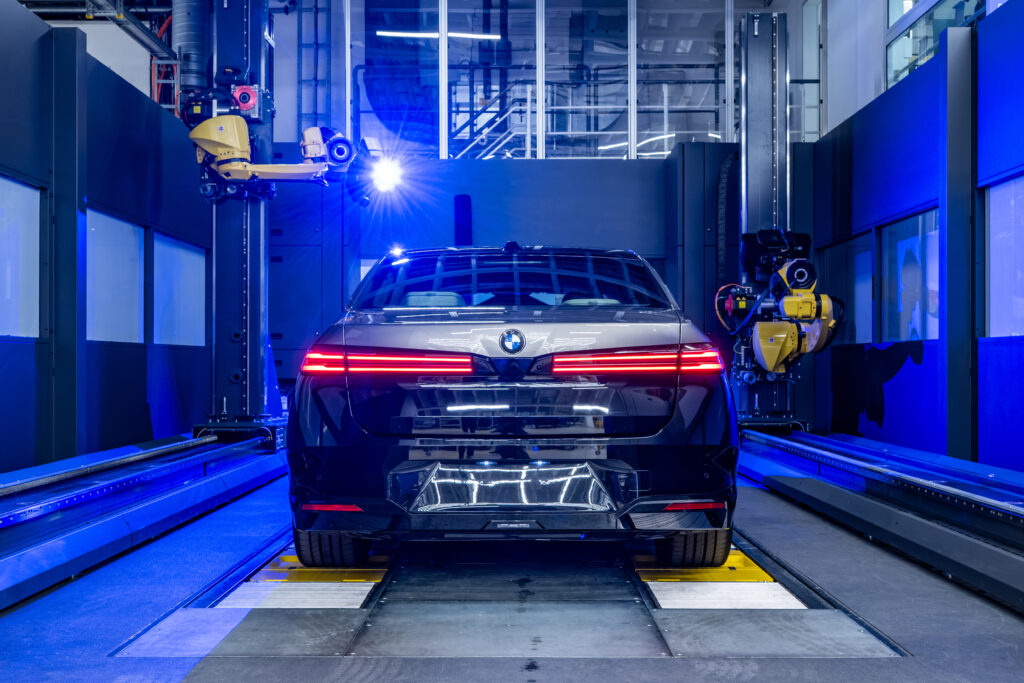
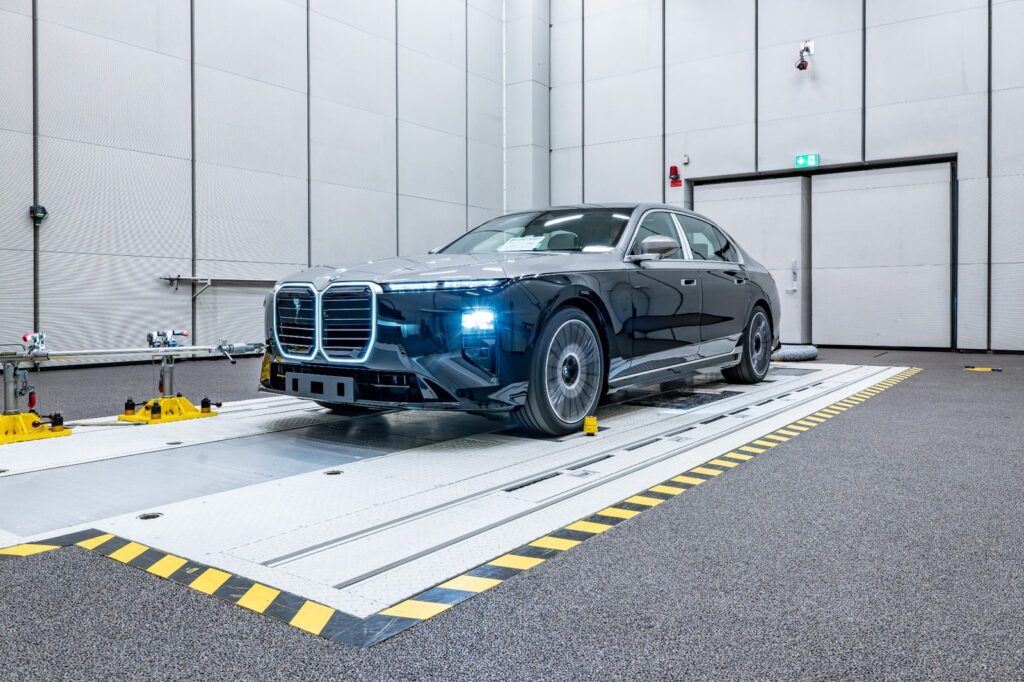
To ensure the highest standards of quality, expertise, human intelligence and machines complement each other in all steps of the process towards the vehicle BMW finished. Although each vehicle goes through an extensive testing programme, which includes both tests automated as monitored by IA made in the plant, and 100 percent of the BMW 7 Series must also complete a road test additional, during which the experts will inspect and test all of the vehicles in real-world conditions.
Production powered by renewable energy
BMW Group is increasingly dependent on renewable energy for production at its site in Dingolfing. All of the electrical energy purchased from renewable sources, with one part generated directly on the site. For example, since the end of 2025, a large photovoltaic system with a capacity of almost 11 MWp has provided electricity directly from the roof of the plant.
In addition, a heating plant biomass-recently built to the west of the plant, vehicles Dingolfing provides the site up to 100,000 MWh of heat produced locally from renewable energy sources, which allows installations to cover about half of your process needs in this way.