

Landshut. The BMW Group continues to strengthen its strategy of sustainable production with the commissioning of a pilot plant, BMW Landshut intended for the treatment and reuse of water used in industrial processes. The facility, located in the production area of the axes of transmission of the plant German, began operational testing in July 2026 as part of a research project BayWater, an initiative focused on developing water management systems are more efficient for the industry.
The new infrastructure will allow you to evaluate, for the first time in a live production environment, different water treatment technologies developed by universities, research centers and industrial companies. The goal is to reduce the consumption of potable water and to optimize the use of resources through closed-loop systems able to reuse process water, without affecting the quality standards of manufacturing.
BayWater drives more sustainable production at BMW's Landshut
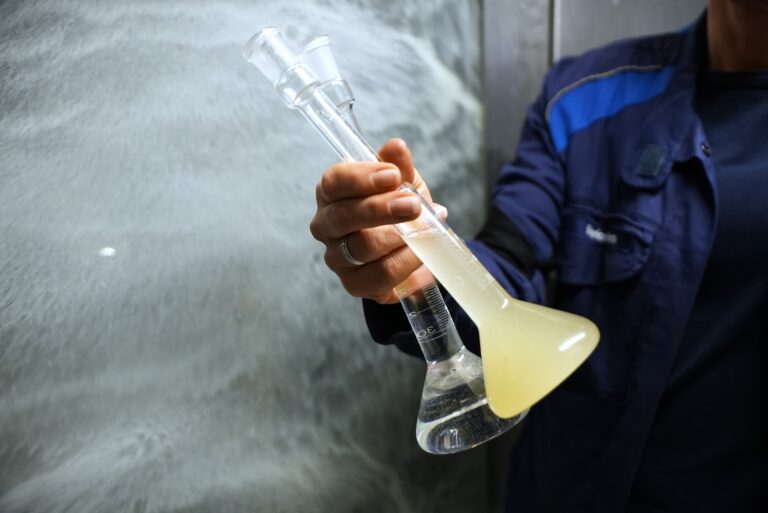
Since the beginning of 2025, the plant Landshut actively participates in the consortium of research BayWater – Sustainable and Integrated Management of Water, providing samples of water for industrial use to develop new treatment solutions.
After more than a year of research in the laboratory, the project took a decisive step with the installation of the pilot plant directly in the line of production of transmission shafts. During a minimum period of four months, the specialists will analyze the behavior of different technologies in real manufacturing conditions.
Among the solutions that will be evaluated include advanced systems of filtration, disinfection technologies using ultraviolet light and smart sensors able to monitor continuously the quality of the water and the operation of the process.
The purpose is to demonstrate that these technologies can maintain a constant quality of the water while reducing the consumption of resources and the energy needed for its treatment.
Borislav Stojcevic, director of Production of Axes of Transmission of the BMW Group, stressed that this represents an important step within the project BayWater, as it will allow to obtain valuable information on the feasibility of implementing systems, closed circuit water in the industrial production.
As explained, the long-term objective is to optimise the efficiency of water use within the manufacturing and developing processes more efficient from the point of view of the environment.
The research also represents an important breakthrough for the rest of the industrial sector. The data obtained during the tests allow you to perfect the technologies developed by the consortium and to facilitate its future implementation in other plants and companies.
Stephen Schrettl, scientific director of BayWater, noted that moving these solutions from the laboratory to a production facility to check if they maintain a reliable performance, energy-efficient and stable even under varying conditions of manufacture. In addition, the results will be used to improve the integration between the systems of treatment, the sensors and the automated control of the processes.
The involvement of BMW Group in BayWater form part of an overall strategy aimed at reducing the environmental impact of their operations. The company develops in different plants around the world, initiatives focused on decreasing water consumption, optimize the industrial processes and protect natural resources through innovative technologies.
With the commissioning of the pilot plant BMW Landshut, lower bavaria, the German brand continues to move forward toward a model of production more efficient and sustainable, demonstrating how technological innovation can become a key tool for addressing the environmental challenges of the automotive industry.
Source: BMW Group