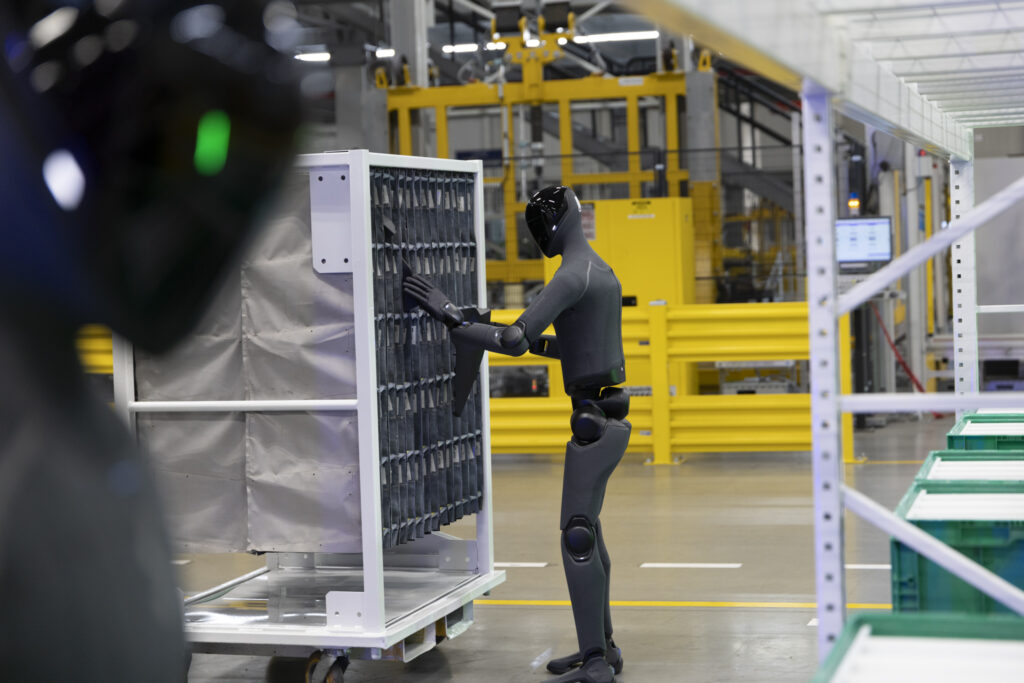


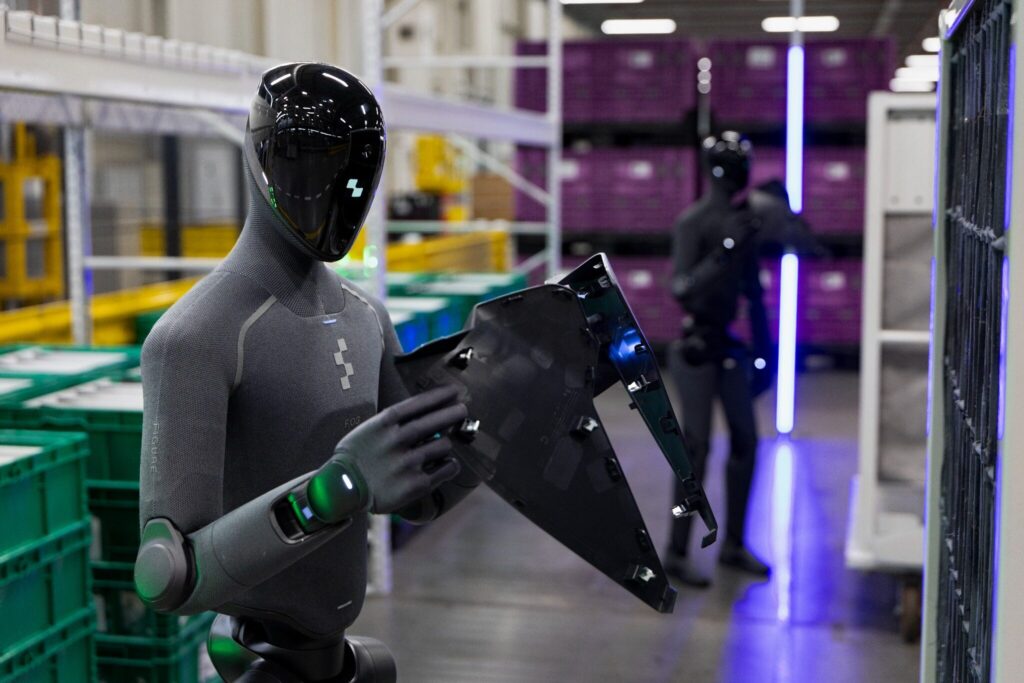
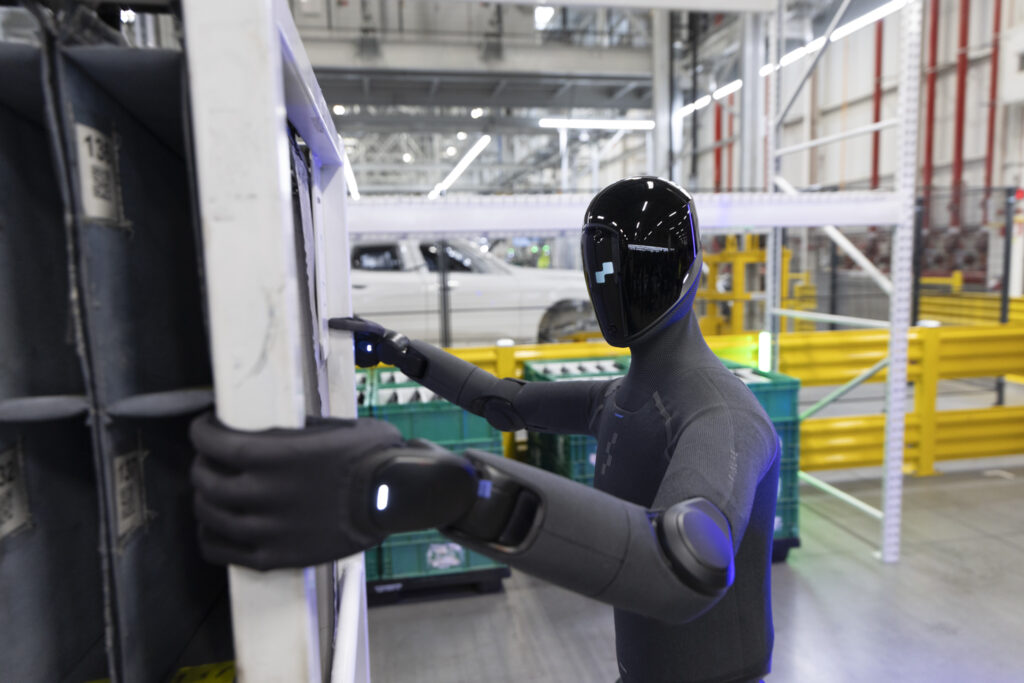
BMW Group intensifies the use of digitization and artificial intelligence (AI) in the production. With the so-called AI physics, which connects to the AI digital with machines and robots real, intelligent systems such as humanoid robots can be integrated into production processes in real. After a successful deployment with the humanoid robot Figure 02 at BMW Group Plant Spartanburg in the usa. UU., its improved successor, Figure 03, will begin in Spartanburg, working on complex applications of sequencing logistics.
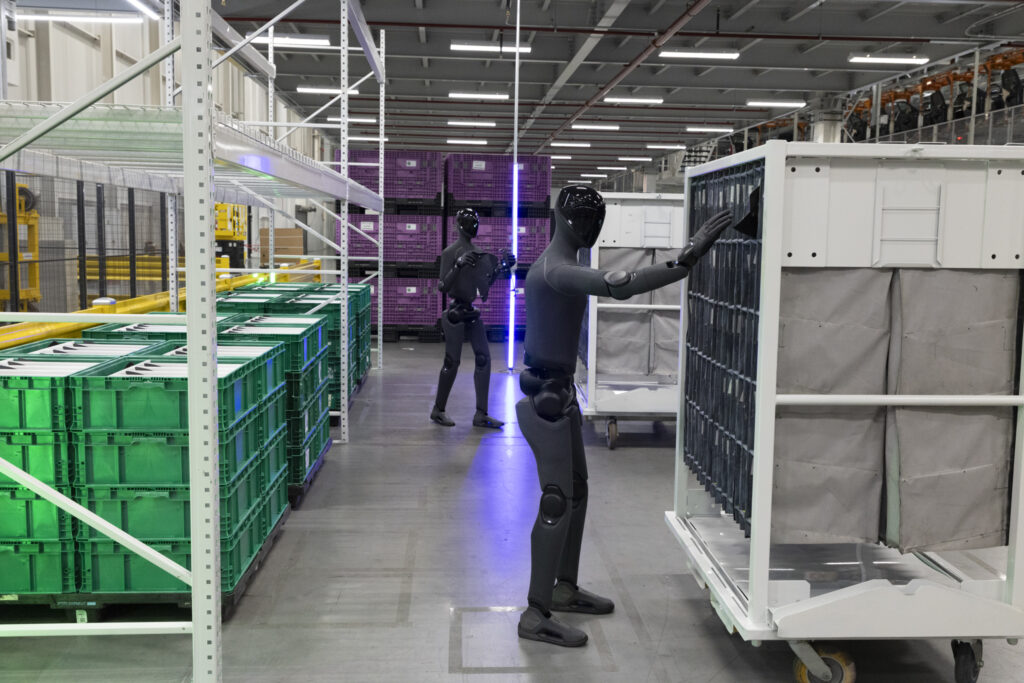
“BMW Group Plant Spartanburg is the home of the robotic humanoid in the activities of daily operational of BMW Manufacturing. After you have successfully completed a pilot with Figure 02 in our area of the body, now we look forward to deploying the Figure 03 for a case of use of sequencing in logistics,” says Ulrich Wieland, vice-president of Production Control and Logistics of BMW Manufacturing.
“Our deployment of 11 months from Figure 02 showed that the humanoids are not laboratory experiments: they can be a valuable asset to establish a workforce of flexible manufacturing and reliable,” says Brett Adcock, founder and CEO of Figure AI. “We are excited to continue our work in Spartanburg while Figure facing the complexity of the buildings hall of assembly and logistics.”
BMW Group has already acquired significant experience with robotics humanoid at BMW Group Plant Spartanburg in 2025. In collaboration with the technology company to Figure AI, the robot Figure 02 supported the production of more than 30,000 vehicles BMW X3 for ten months. In the body, the robot inserted sections stamped out of steel sheet for the start of welding processes —a task that requires great speed and accuracy and can be physically demanding. The collaboration demonstrated that the humanoid robots can safely perform the job steps that are accurate and repeatable in real production conditions.
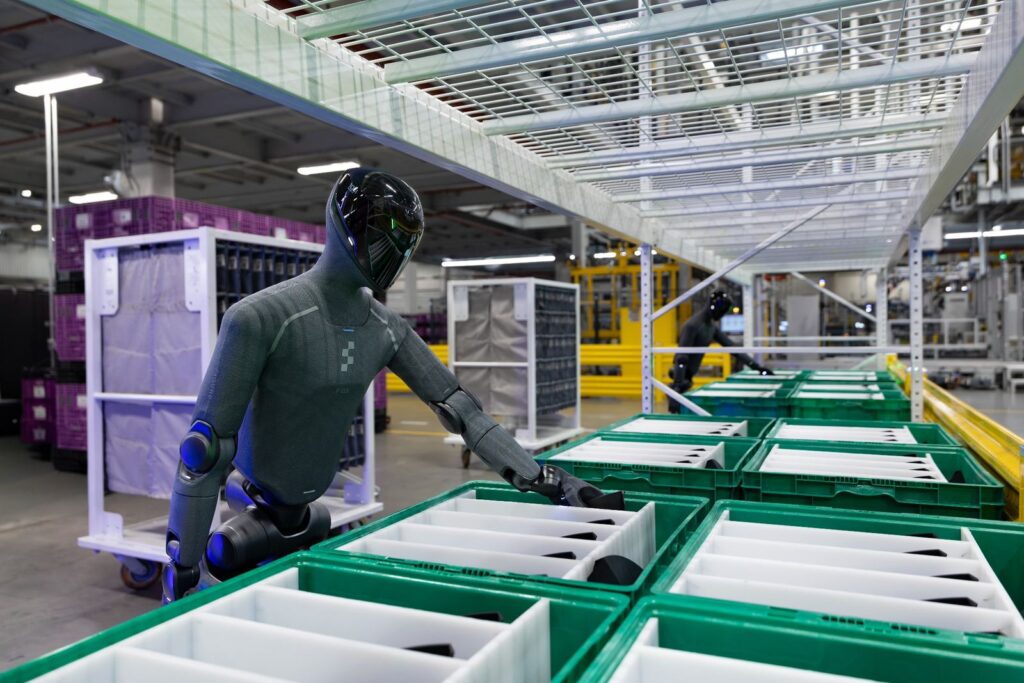
Next step with the robot of the new generation Figure 03
The knowledge obtained in this project form the basis for the next step with the successor model, Figure 03. “The robot introduces several new features to extend the applications. These include components soft designed for greater safety, wireless charging designed for greater availability, and capabilities of the audio for voice communication, along with hands enhanced with tactile sensors and cameras in the palm aimed to increase the precision and skill”, says Adcock.
In the new application use-case of sequencing, the components delivered arriving initially in larger containers, without order. Figure 03 the decision and classifies them in a car sequencing. The car then you will be taken to a collection point defined for their subsequent transport. An automated train or a robot smart transportation will be after the pieces to the place of installation, which will be made available to the employees of the assembly to be installed in accordance with the sequence (“just in sequence”). This use case occurs frequently in the logistics of production at BMW and offers potential for further development and scalability.
The use of humanoid robots is part of the broader strategy of BMW Group to expand its portfolio of automation with AI physics. Robotics humanoid is an add-on that brings value to the existing automation. Its potential lies especially in free to the employees of the activities monotonous, ergonomically demanding or critical for safety. The objective is to protect and to use the most effective employees, at the same time improve the jobs.
Applications BMW iFACTORY in the assembly building of BMW Group Plant Spartanburg
The new project is closely linked to the digital transformation of the production at BMW Group Plant Spartanburg. The Pavilion 52, where it is assembled variants of the BMW X3 and, in the future, the electrified BMW iX5, has been expanded and updated extensively. Already used digital applications during the planning and continue to be implemented in the focus BMW iFACTORY in the daily operations of production. Before that the components arrive at the production line, simulations, virtual 3D help you to optimize your processes and allow implementation without mistakes from the beginning.
The BMW Virtual Factory makes it manageable complexity and supports employees to simulate sequences of human movement. This tool perfects the manual processes from the planning to the production line. A key objective is to optimize the ergonomics of the employees.
The Artificial Intelligence is also used in quality assurance. BMW Group Plant Spartanburg uses the application of advanced Artificial Intelligence for the quality, or AIQX (Artificial Intelligence Quality Next) to the visual inspection and acoustic quality, in order to ensure a consistent quality in a production environment dynamic. BMW has set AIQX as standard and is evaluating options to make the system available to its suppliers. Uses cameras and sensors during line operations and provides immediate feedback to the employees of a line using smart devices.