

Chengdu, China. The BMW iX3 new generation begins to show how will be the next stage of electric mobility for BMW. Presented at the International motor show in Chengdu 2026, the new SUV electric incorporates an architecture of 800 V, load up to 400 kW, the new technologies of artificial intelligence and a range of up to 919 miles under the cycle CLTC in your version iX3 50L xDrive.
Although the model presented corresponds to the chinese market and some of its settings may vary from other markets, their importance goes far beyond China. The new iX3 is part of the next generation of technology from BMW and meets a good part of the solutions that will define its future electric vehicles.
For Mexico, where BMW sells electric models and the electrification continues to gain space within the premium segment, this new generation is particularly interesting because it allows you to see where you are pointing the mark in terms of autonomy, efficiency, load, connectivity and driving experience.
The BMW iX3 change the formula of the SUV electric
The new generation of the BMW iX3 is not limited to, receive an updated aesthetic or a more capacious battery. BMW rebuilt by a good part of the architecture that holds the vehicle for developing an experience electrical more efficient, and technological.
One of the key elements is the new platform of high voltage of 800 V, an architecture that allows to reach a maximum power load of up to 400 kW. The goal is to reduce the time required to recover energy and to make the electric vehicles are more practical also for long trips.
This new architecture work together with the system-BMW Intelligent Energy Management, is responsible for managing dynamically the available energy in the vehicle. The battery, the propulsion system and the thermal management function as a whole to find a balance between consumption, range and performance.
The result is one of the figures that most attracts the attention of the new model: the BMW iX3 50L xDrive can reach up to 919 kilometers of autonomy under the cycle CLTC.
It is important to clarify that this figure corresponds to the cycle of the approval, chinese and should not be compared directly with the values WLTP used in other markets. However, it does allow for the determination of the objective of BMW: to reduce one of the major concerns of the users of electric vehicles, especially when it comes to travel long distances.
More autonomy, but without leaving aside the pleasure of driving
For BMW, to increase the autonomy is not enough. The brand maintains the dynamic behavior as one of the central elements of the new generation.
The battery uses an integrated design that contributes to the structural rigidity of the car body and enables you to maintain a low center of gravity. This setting seeks to improve the stability and performance of the vehicle without sacrificing comfort.
BMW also developed different solutions battery for the three versions of the new iX3. The strategy envisages cells cylindrical iron phosphate and lithium, as well as cells of high nickel content, with different features to meet the needs of autonomy, efficiency and performance.
In cells with a high content of nickel, BMW points to an energy density 20% higher than the battery prismatic BMW eDrive of the fifth generation.
It's all part of a new strategy in which the brand seeks to maintain a feature that has accompanied their models for decades: the link between driver and car.
The difference now is that that experience must live with an architecture fully electric.
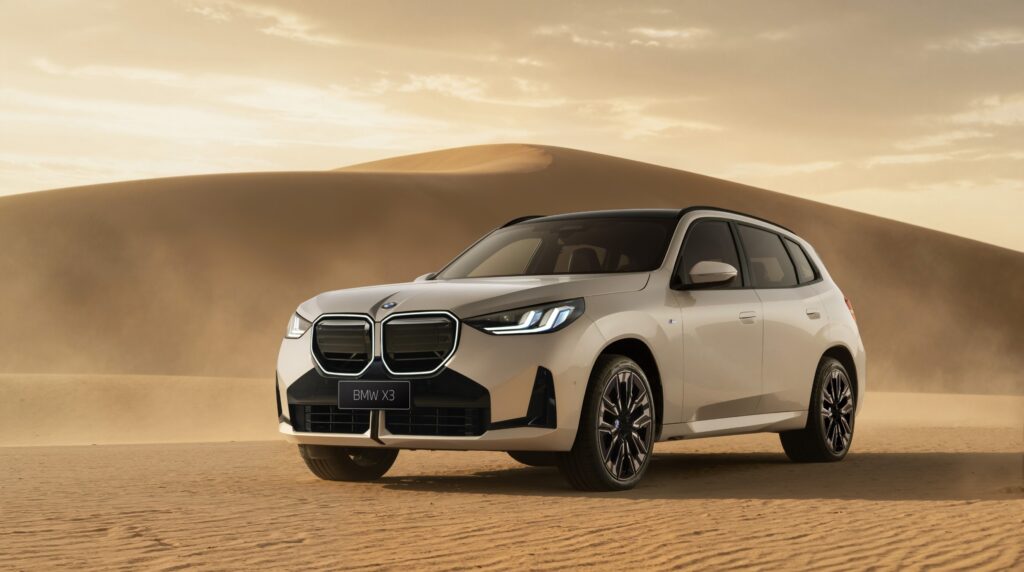
Artificial intelligence behind the wheel
One of the most important changes of the new BMW iX3 is in the manner in which the car he interprets his environment.
The model incorporates BMW's Intelligent Driving Assist, a system of assistance to the driving that BMW presented as a key part of its new generation of technology. In China, the system was developed with the collaboration of Momenta, a company specializing in technologies of smart driving.
The platform uses an architecture based on reinforcement learning and model Momenta R7, trained with more than 15 thousand million miles of road data in china.
The goal is that the vehicle does not limit you to detect objects or elements of the road, but they can understand in a more advanced way what is happening around you.
This technology is particularly interesting for Mexico because it shows one of the addresses that is taking the industry: the systems driving assistance will no longer be isolated functions to become an integral part of the experience of the car.
BMW also includes OTA updates, so that the algorithms and functions can evolve through software after the vehicle leaves the factory.
The information is presented through a variety of interfaces, including the wide-screen display, display screen front-3D, the central console and the steering wheel. The intention is that the driver can understand more easily what is being done by the system and how it is interpreting the environment.
BMW with a Heart of Joy: technology at the service of driving
The artificial intelligence does not work independently.
The new BMW iX3 also incorporates BMW with a Heart of Joy, a platform for coordination of key elements of the dynamics of the vehicle, such as acceleration, braking and steering.
The integration between the two technologies allows the functions of assistance to work in a more coordinated fashion with the dynamic behavior of the car.
For BMW, this is especially important because the driving assisted should not mean that the car loses its personality.
The philosophy of the brand continues to place safety as a priority, and seeks to establish a clear relationship between the automatic functions and the responsibilities of the driver.
After more than two decades developing technologies of driving assistance, BMW presents a transition in which the vehicle can collaborate smarter with who you are behind the wheel, without removing human control.
The new BMW i3 also points to Mexico from another perspective
Next to the iX3, BMW officially unveiled the new BMW i3, an electric sedan developed specifically for the chinese market and whose delivery is scheduled for the first quarter of 2027.
Although their arrival and specifications for Mexico are not confirmed on the material presented, the model is also relevant because it uses a good part of the new philosophy of technology from BMW.
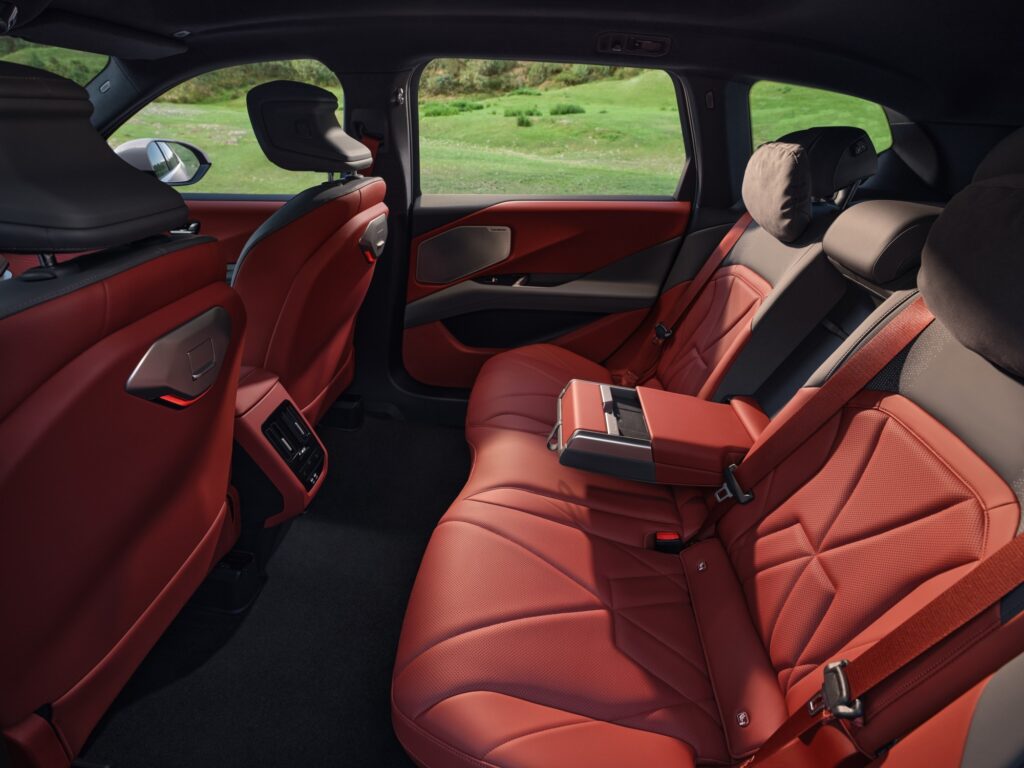
The new i3 has a wheelbase of 3,005 mm, with the additional space primarily intended for the rear passengers. BMW seeks to combine a sporty image with greater comfort for those traveling in the second row.
The model also incorporates a panoramic roof with features designed to improve the thermal comfort, in addition to nine options of paint.
But it is on the inside where it appears one of the biggest novelties.
The new BMW i3 uses the chinese version of the BMW Operating System X, with different interaction interfaces designed around the driver's visual field. The center console is inclined 17.5 degrees to who leads and turn 3 degrees more than in the models SAV of the brand.
The idea is simple: the technology should be available without forcing the driver to divert too much attention from the road.
Artificial intelligence and a new way of understanding the car
BMW has also partnered with Alibaba to develop an artificial intelligence engine that is specific to the chinese market, integrating in addition to analysis capabilities DeepSeek.
The new BMW Personal Assistant uses this technology to provide voice interactions more natural, while the BMW AI Intelligent Drawing Component allows you to generate animations using voice commands, the photographs taken inside the vehicle, or images sent from the application to My BMW.
But the most striking of the i3 is the so-called Index of Driving Pleasure.
The system analyzes actions such as steering, acceleration and braking to turn them into digital information. BMW seeks to move one of their historical concepts to the world of vehicles defined increasingly by the software.
Instead of measuring only autonomy, power, or consumption, the car can also interpret how it leads a person.
It is a sample of how BMW tries to keep its identity in an industry in which artificial intelligence will have an increasingly greater role.
A new generation, also comes to BMW M and X3
The presentation of Chengdu also served to show that the technological transformation of BMW does not mean to abandon their high-performance models or combustion.
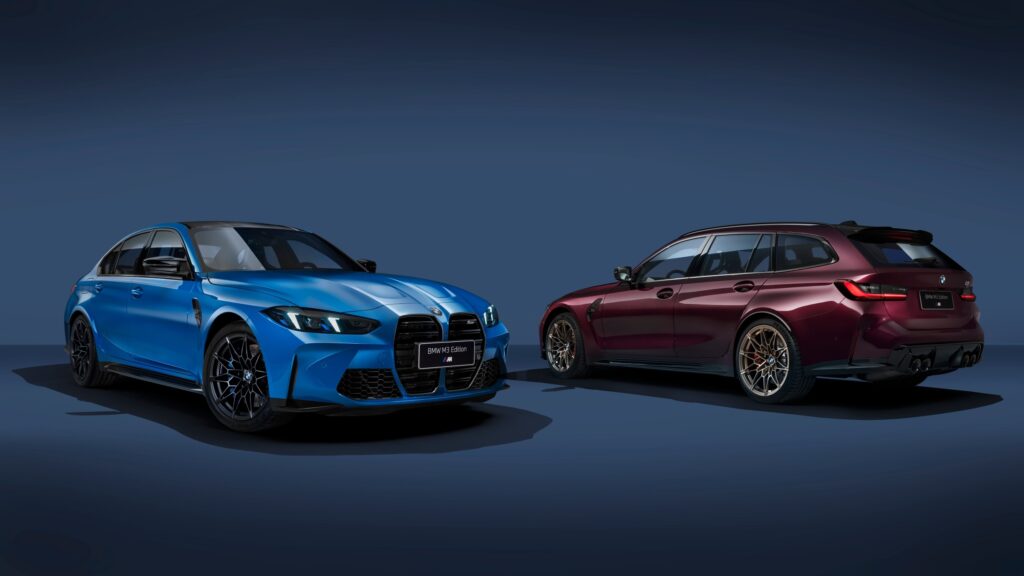
The brand introduced the limited edition BMW M3 40th Anniversary, created to celebrate four decades of the iconic sports sedan.
In China, will be available only 20 units of the sedan version and 20 M3 Touring, making this edition a proposal especially and solely for the fans of BMW M.
We also introduced the BMW X3 Long Wheelbase 2027, whose deliveries will begin in September in China. This version incorporates a more sporty, improvements in comfort and new features of interaction by voice.
The strategy makes clear that BMW is not raising their technological transition as an immediate rupture with all of the above. The new electrical architecture and digital will live alongside different types of vehicles while the brand progressively transformed its range.
What is the meaning of the new BMW iX3 to Mexico?
For mexican consumers, probably the most important aspect of the new BMW iX3 is not its price in China and even its level of autonomy under the cycle CLTC.
What's really interesting is the technology that BMW is preparing for its next generation of vehicles.
The architecture of 800 V and up to 400 kW of load points towards electric mobility more practical for those who use the car for both city and highway. The autonomy of up to 919 miles CLTC shows, for its part, up where you can reach the new generation in terms of efficiency.
But there is also the software.
BMW is building vehicles that will be able to receive updates, add new functions, and use artificial intelligence to better interpret the needs of the driver. This transformation may end up being just as important as the evolution of the battery.
In Mexico, where the charging infrastructure still represents one of the main challenges for the adoption of electric vehicles, technologies that reduce the charging time and increase the autonomy could become arguments increasingly important to buyers.
For now, BMW has not confirmed the material presented in the detailed specifications with which the new iX3 would go to Mexico. However, its presentation makes it possible to anticipate the direction that might be taken by the next generation of electric models of the brand in our market.
The next chapter of the electric BMW
The new BMW iX3 new generation represents one of the first big steps of BMW to a generation of vehicles defined by a new electrical architecture, the greater the ability of software and artificial intelligence.
Its 800 V, the load of up to 400 kW, the 919-kilometer CLTC of autonomy in the iX3 50L xDrive, BMW's Intelligent Driving Assist, and the Heart of Joy are part of the same strategy.
This is not only to make an SUV electric, with greater autonomy. BMW is trying to redefine the way in which the driver interacts with the car.
And that is precisely the point that makes it relevant to the new iX3 to Mexico. Although we still do not know when it will come this generation or what settings to make, the model offers a pretty look clear into the future electric BMW is preparing for their next vehicle.
The new era of BMW will not be defined solely by electric motors and batteries. Also will be marked by the software, artificial intelligence and a new relationship between the driver and the car. The iX3 is, until now, one of the clearest examples of this change.
Source: BMW Group