

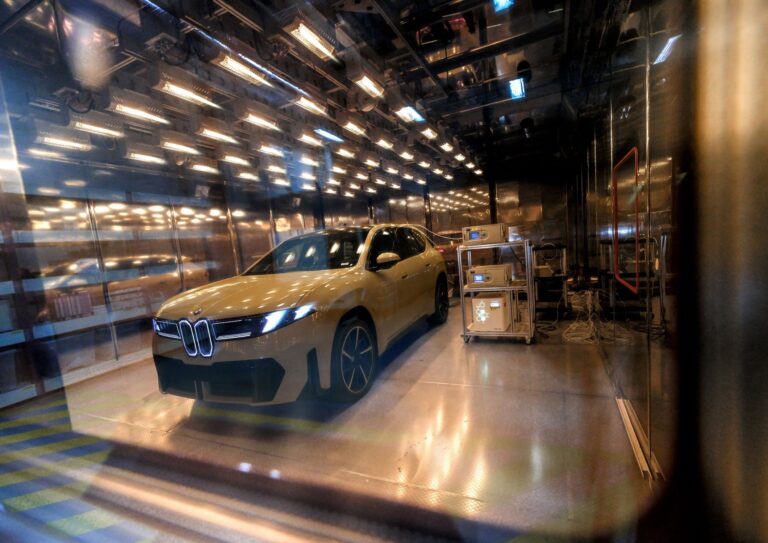
Beijing/Shenyang. BMW takes the driving experience to a new dimension with technologies designed to improve the air quality in their vehicles. The new BMW iX3 integrates materials of low-emission, advanced systems of filtration and an intelligent management of the indoor environment, as a result of more than 25 years of research.
The evolution of the automotive industry is not limited to the electrification, connectivity, or the systems of driving assistance. Currently, the well-being of the occupants has also become a priority for manufacturers of premium vehicles.
In this context, the cabin healthy BMW represents a new stage in the development of automobile interiors, where the selection of materials, the control of emissions and air quality are part of the same technological strategy.
During the BMW China Innovation Day 2026, held in China, the company presented the progress of its new generation of vehicles in the field of inner well-being, highlighting the solutions incorporated into the new BMW iX3.
The proposal seeks to ensure that drivers and passengers will enjoy a more comfortable environment from the moment you enter the car and during the tour.
Cabin healthy BMW: a new vision of luxury automotive
Traditionally, the luxury automotive has been associated with unique materials, finishes, sophisticated technology and dynamic performance. However, BMW is expanding this concept to incorporate the quality of the indoor environment as a fundamental part of the driving experience.
For the German company, a vehicle, a premium should not only provide precision to the steering wheel, but also provide a pleasant environment and carefully developed to its occupants.
This philosophy starts from the first design stages, when engineers select materials that will form part of the interior.
Instead of relying solely purification systems, BMW seeks to reduce the possible sources of emissions from the source, through processes of assessment that can go along with all the development of the automobile.
In this way, the quality of the air is no longer considered a stand-alone function and becomes an integral part of the engineering of the vehicle.
More than 25 years researching the quality of indoor air
The research of BMW on odors and emissions within their cars was formally started in 1999, when the company established one of its first specialized laboratories in Munich, Germany.
Subsequently, in 2014, he opened a second global laboratory in Shenyang, China, to strengthen their capacities of research and evaluation.
Both facilities are part of a network that combines international standards with studies adapted to the characteristics of different markets.
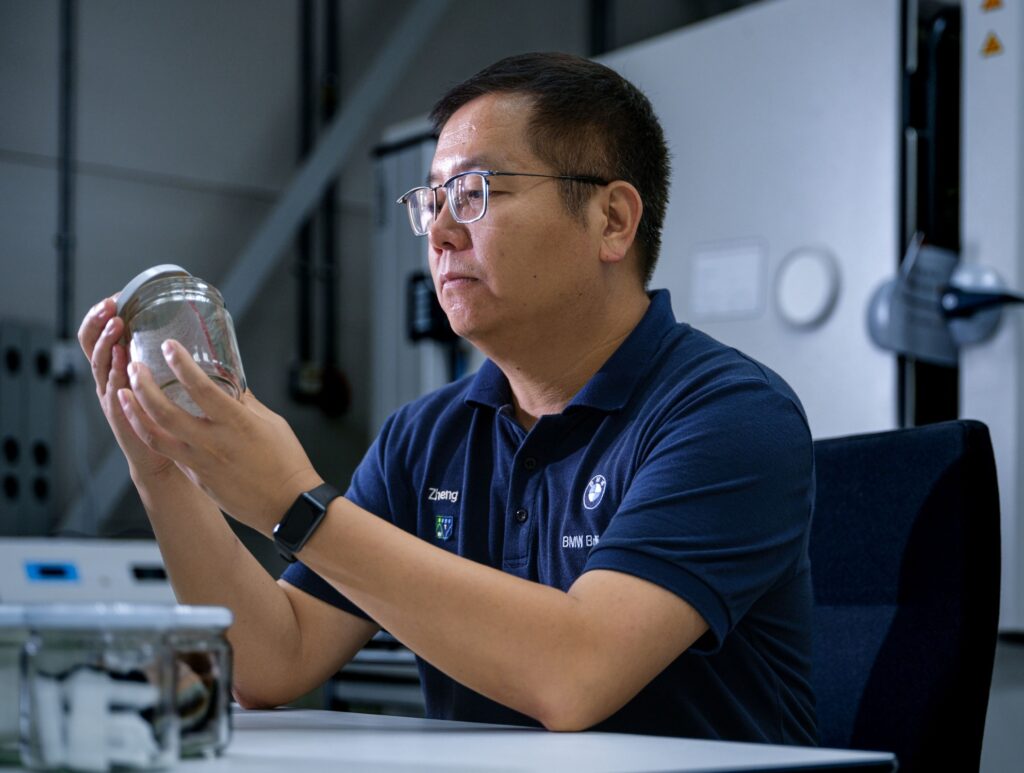
One of the most interesting aspects of this research is the involvement of experts dedicated exclusively to the analysis of odors.
These professionals have specific training to identify and assess the characteristics scent of the materials used in the interior of the car.
Their work allows to detect differences among different manufacturing solutions and contribute to the selection of components that provide an inner experience more enjoyable.
The assessment includes materials such as leather, textiles, plastics, adhesives, and other elements present in the passenger compartment.
Three levels of verification to ensure the quality
One of the pillars of the cabin healthy BMW is your verification system of three levels, developed to monitor the quality of the materials and components before a car reaches production.
Evaluation of materials
The first level consists in analyzing individually the materials that will be used in the interior of the vehicle.
The tests consider their characteristics and odour emissions, including substances such as volatile organic compounds (VOCS) and aldehydes.
This process allows you to identify potential sources of emissions before the materials are integrated into components more complex.
Verification of components
In the second stage are evaluated complete sets, such as seats, dashboards, door panels and interior wall cladding.
The goal is to see how they behave materials once combined and assembled.
This phase is important because different elements can present different characteristics when they are part of the same piece.
Testing of the complete vehicle
Finally, BMW performs assessments on the car over, considering different configurations and combinations of materials.
With this, the company seeks to maintain standards of consistent quality from the initial development to the manufacturing of the vehicle.
This system allows one to address the air quality from a holistic perspective, rather than be limited to checking the operation of the filters of the ventilation.
Innovative materials to reduce indoor emissions
The selection of materials is another of the important developments of the new generation of BMW cars.
Among the solutions featured is the incorporation of microfibers developed specifically for automotive applications.
According to the company, these materials allow to reduce certain potential emissions, including volatile organic compounds and aldehydes.
This feature is especially relevant when a vehicle remains parked for extended periods of time or is exposed to elevated temperatures.
In addition, some of these microfibers do not contain proteins of animal origin, which may contribute to reduce certain odor problems associated with the aging of natural materials.
BMW has also revised components that usually go unnoticed.
For example, some decks of loudspeakers have been made of steel instead of plastic, a decision that combines a perception of higher quality with the reduction of the use of certain synthetic materials.
These changes show how the pursuit of an interior environment more comfortable may influence even the smallest detail of the design.
Intelligent air-technology that is anticipated in the environment
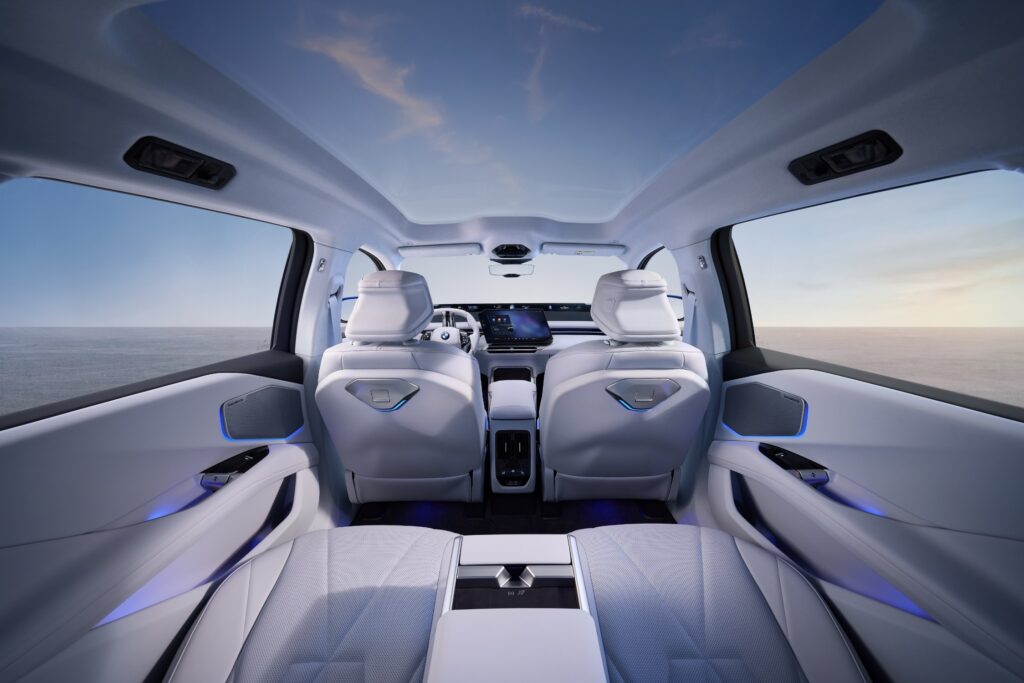
In addition to controlling the emissions from the materials, BMW has developed solutions that allow you to manage more actively circulating air inside the car.
The goal is to evolve from the conventional systems of filtration to a management capable of responding to different environmental conditions.
Among its main functions include the ability to automatically modify the flow of air when the vehicle passes through an area with high pollution outside.
For example, when entering tunnels or driving on congested roads, the system can adjust the recirculation mode to limit the entry of contaminated air.
This technology aims to reduce the need for continued intervention by the driver, and maintain a more comfortable indoor climate during the journey.
Nano Filter: advanced filtration in the BMW iX3
The new BMW iX3 incorporates the system, Nano Filter, developed for filtering the air that enters the passenger compartment through different layers of filtration.
This solution is part of the strategy from BMW to improve the quality of indoor environment and complement the control of emissions of materials.
The system also allows you to query information related to the air quality index, known internationally as the AQI, providing occupants a reference on the environmental conditions.
In this way, the technology not only acts on the air, but it also gives information useful to understand the environment.
A comfortable environment even before the start of the trip
The intelligent management of the air is not limited to the time that the car remains in motion.
BMW also has added functions of automatic ventilation during the parking lot and renewal of the air before occupants enter the vehicle.
These tools seek to improve the conditions of the passenger compartment after long periods without using the car.
The possibility of preparing the indoor environment before starting a route represents an important evolution in the relationship between technology and comfort.
For BMW, the purpose is that the systems work in a discreet manner, allowing the occupants to focus your attention on the trip and driving experience.
China, a strategic centre for the innovation of BMW
The development of these technologies also reflects the importance that China has acquired within the structure of international investigation of BMW.
The expectations of chinese consumers regard to odors, emissions and air quality have prompted further research and evaluation processes.
Part of the solutions that are developed and verified in this market has been built progressively to projects of international scope.
BMW also maintains partnerships with suppliers, research institutions and specialized agencies, including the Research Centre for Automotive Technology of China.
These partnerships allow you to share knowledge and participate in the development of technical criteria related to the quality of the air inside the vehicle.
The company believes that this collaboration is critical to continue to improve their processes and respond to the needs of users in different regions.
BMW iX3: the result of a new philosophy of development
The new BMW iX3 is presented as one of the main examples of the integration of these technologies in the next generation of vehicles of the brand.
Its development brings together selected materials to reduce emissions, evaluations on three levels and intelligent systems that manage the quality of the air at different stages of use.
The combination of microfiber, nanofiltration, environmental information and ventilation automated demonstrates that the automotive innovation also can concentrate on aspects that are not always visible to the driver.
Beyond its electrical characteristics and digital, the BMW iX3 features a proposal aimed to improve the everyday experience of those who travel aboard.
The future of luxury is also found in the air we breathe
The evolution of cabin healthy BMW demonstrates how the automotive industry is incorporating new priorities in the development of their vehicles.
For more than two decades, the company has invested in research, specialized laboratories and assessment processes to better understand the behaviour of materials used in its interior.
Now, these investigations are combined with intelligent systems able to anticipate certain environmental conditions and prepare the passenger compartment before starting a journey.
The new BMW iX3 represents an important step within this strategy, by integrating technologies that seek to provide a driving experience more comfortable and carefully controlled.
In an industry where the electrification and digitization tend to occupy the headlines, BMW recalls that the innovation also can be found in elements seemingly invisible.
Because the real luxury automotive not only consists of getting to a destination, but also to enjoy every kilometre in an environment designed for the well-being of its occupants.
Source: BMW Group