

Munich. With the new BMW X5, BMW Group extends in a systematic way its holistic approach of sustainability derived from vehicle. The goal is to further optimize the entire life cycle of the vehicle and minimize their carbon footprint, from the supply chain and production, to the use phase and, finally, recycling.
Decarbonisation of the supply chain as a key element.
The decarbonisation directed along the entire supply chain is a key element to reduce the emissions of CO₂e. BMW Group focuses on the use of renewable energy and secondary materials, as well as product innovations and processes. Their holistic approach of sustainability is applied on all the variants of propulsion of the X5.
The impact of this approach is reflected in the reductions of CO₂e reached: during the product development process, the emissions of CO₂e of the BMW X5 were reduced by about 40%.
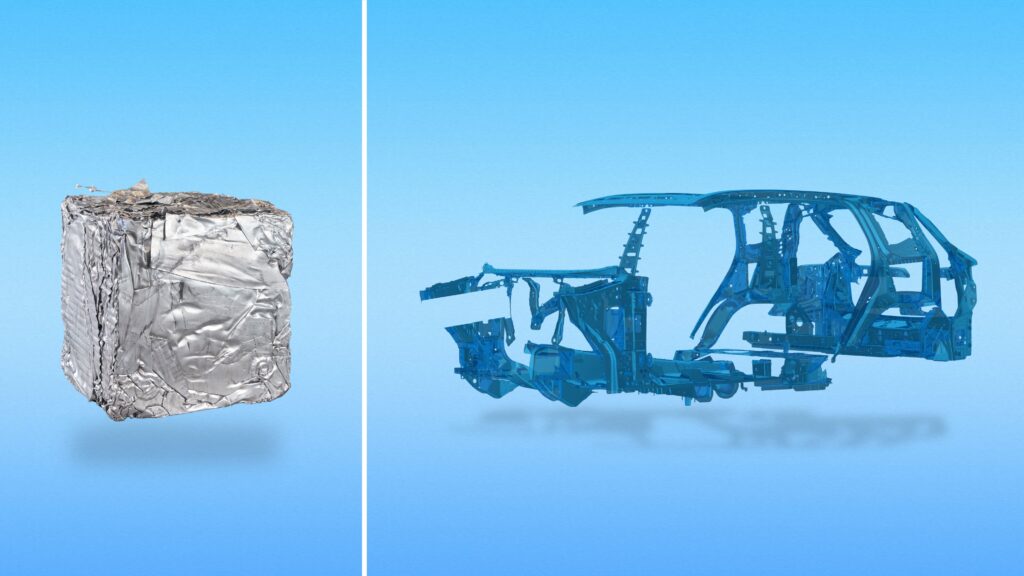
Another important development is the increased use of flat steel with CO₂e reduced to the body. About 50% of the flat steel used in the BMW X5 corresponds to steel of electric arc furnace (EAF steel) with a high percentage of secondary material, produced with renewable energy. The high proportion of flat steel with CO₂e reduced is the result of a close collaboration and long-term local suppliers in north America.
Systematic use of secondary materials.
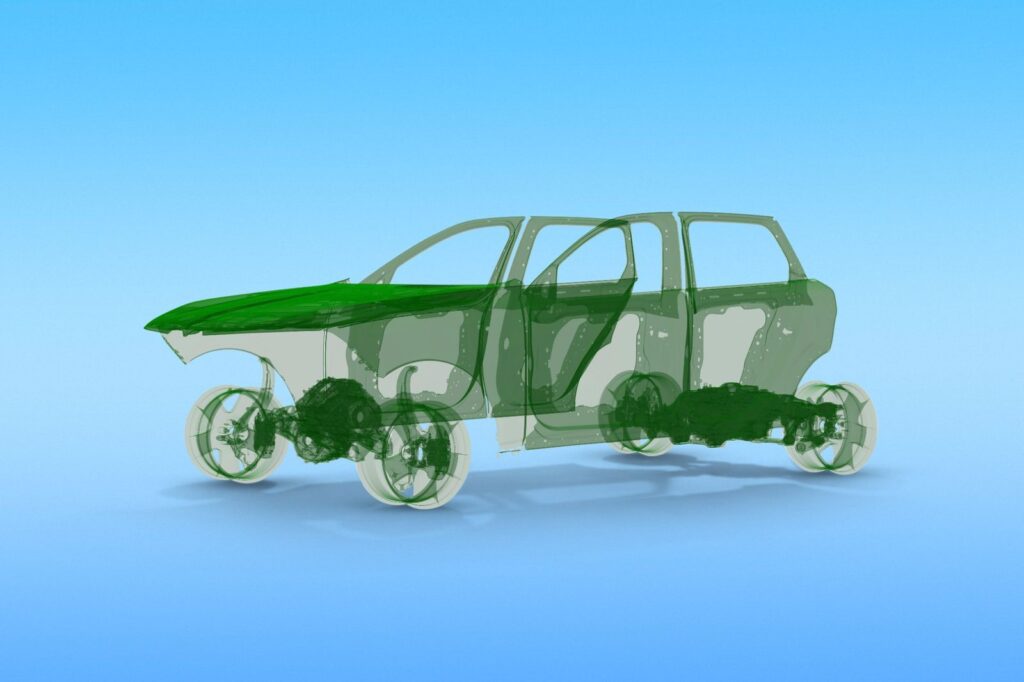
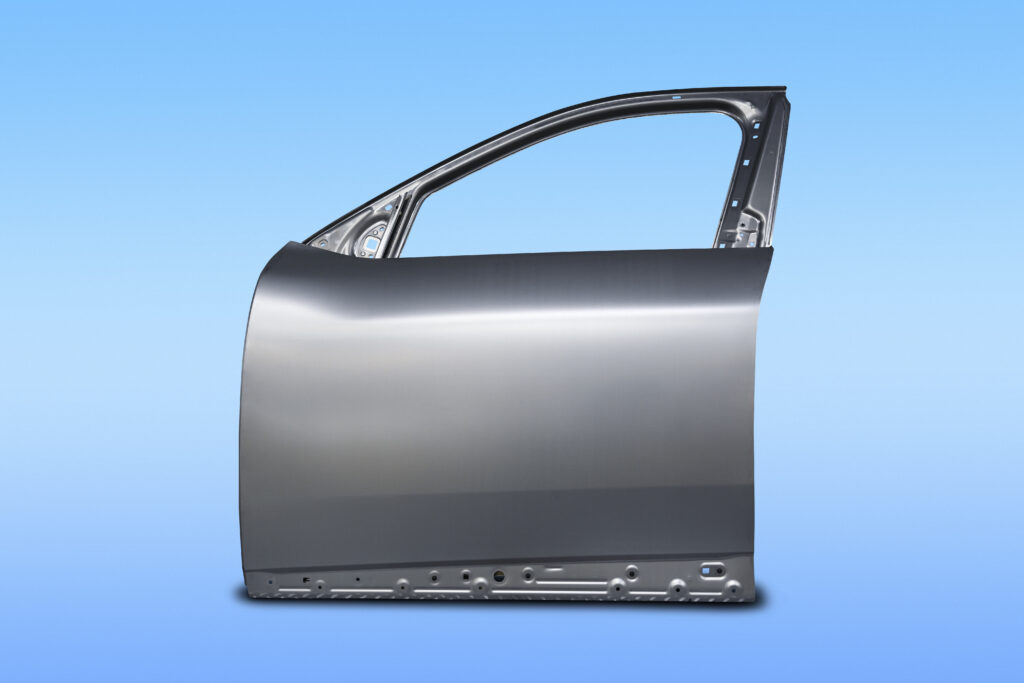
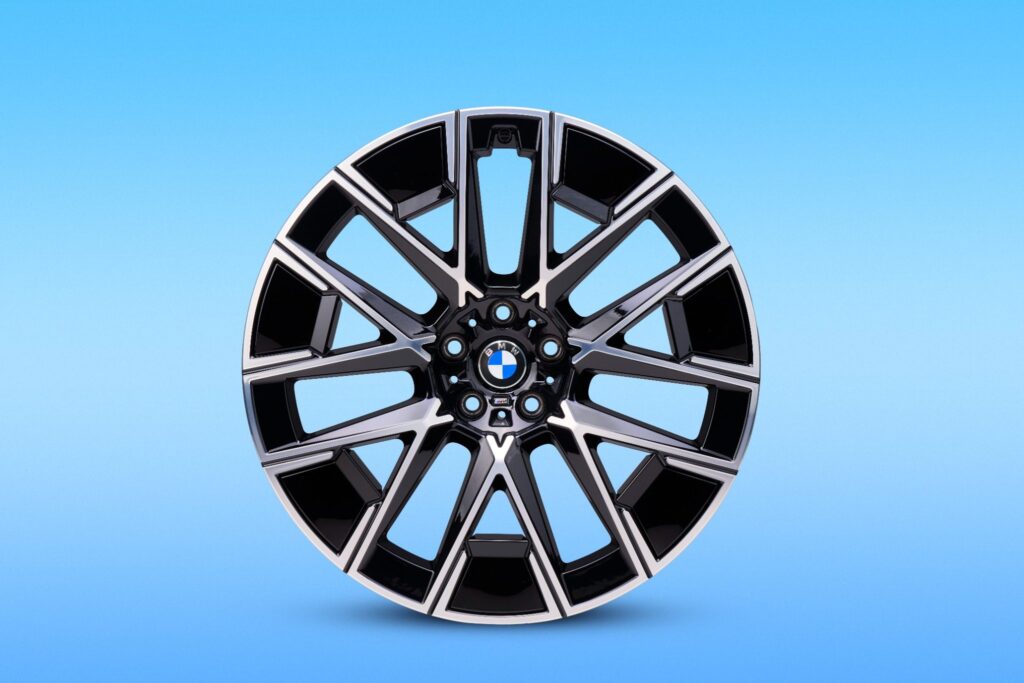
The new BMW X5 achieves a high proportion of secondary raw materials, even in the components of high demand. They include elements of suspension-aluminium rims, handles, brackets, wheel, axle supports and rear brake callipers, which are manufactured using renewable energy, both in the electrolysis in the production. The aluminum used in the doors of the new BMW X5 contains 35% recycled material, and closed-circuit from the press of the BMW Spartanburg. The base material used for the thread in the fabric of the lining of the roof is made with a 100% recycled PET. In the BMW iX5 60 xDrive all-electric, around a third of the vehicle in the set is composed of secondary raw materials, which is equivalent to a weight of 940 kg.
Battery cells Gen6 with reduced carbon footprint.
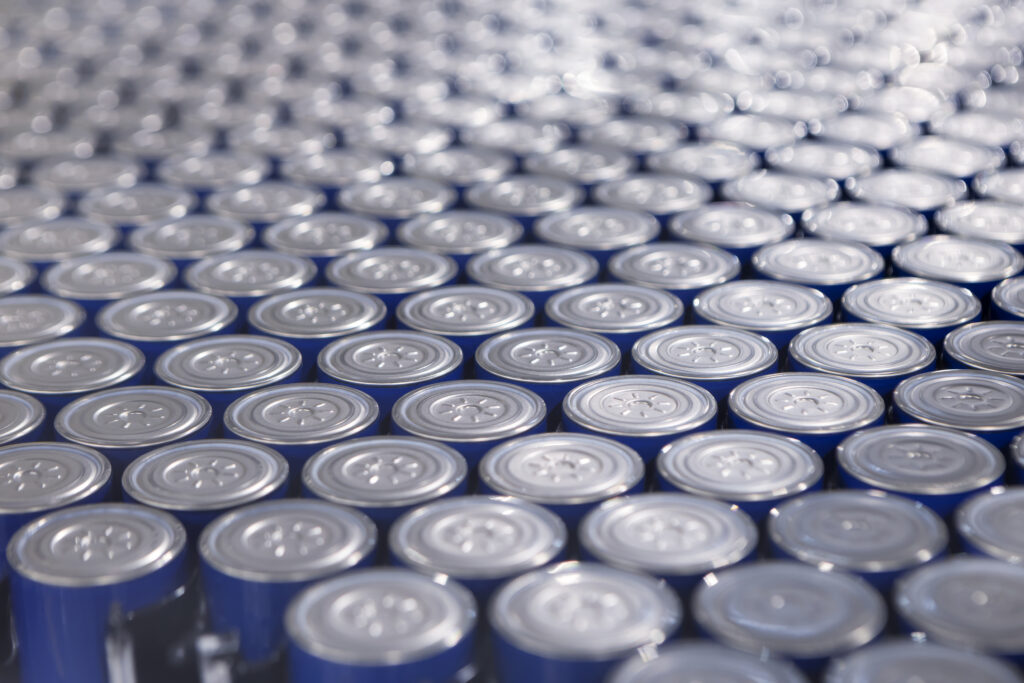
The battery cells Gen6 used in the high-voltage battery of the BMW iX5 include a high proportion of secondary materials in the content of cobalt, lithium and nickel. It also uses renewable energy in the production of the materials of the anode and the cathode, as well as in the manufacturing of their own cells. In comparison with the cell Gen5 used in the BMW iX, the emissions of CO₂e have been reduced by around 28% per watt-hour.
Efficiency in the use phase.
With its technology package EfficientDynamics, BMW Group optimizes the efficiency of your vehicle in all of the subsystems relevant during the use phase. This includes aerodynamics, lightweight construction, wheels and tires with a low rolling resistance, and energy management as a whole. EfficientDynamics is used in the BMW Group in all propulsion technologies since 2007.
The new BMW iX5 fully electric also features the famous “Heart of Joy” of the BMW iX3 and BMW i3, the BMW Dynamic Performance Control, a control system of driving entirely developed by BMW. In addition to offering a safe driving and without effort, and the experience of a braking particularly soft, the system improves efficiency: during deceleration, it recovers more energy through the regeneration of many driving situations, until you get completely high.Top of Form
Advantage of CO₂e achievable after about one to two years of use.
The measures of decarbonisation integral along the supply chain, the production and the use phase result in a point of balance early. Depending on the variant of propulsion, the annual mileage and the source of the electricity used for charging, the new BMW iX5 60 xDrive achieves an advantage of CO₂e in front of a comparable model with internal combustion engine after approximately one to two years of use.
Production in the largest Plant of the BMW Group.
The holistic approach of sustainability of BMW Group also extends to the manufacture of vehicles in its largest centre of production, the Plant Spartanburg. All the external energy required for the production at BMW Group Plant Spartanburg comes from renewable sources.
Between 2006 and 2025, the energy consumption per vehicle produced was reduced by 66%. The volume of waste sent to landfills was also reduced by 88% in the same period. The new assembly plant of high-voltage batteries in Woodruff, connected to the main floor, it works completely without fossil fuels in normal operation.
Carbon footprint of the product validated by TÜV publicly available
BMW Group will publish the Carbon Footprint of the Product for the BMW X5, which has been validated by the German Association for Technical Inspection (TÜV), to accompany the release of the series. The report, including the methodology underlying computation, will be publicly available. In this way, the BMW Group provides transparency on the raw materials used and the emissions of CO₂e throughout the life cycle of the vehicle.